What is Manual Lymphatic Drainage?
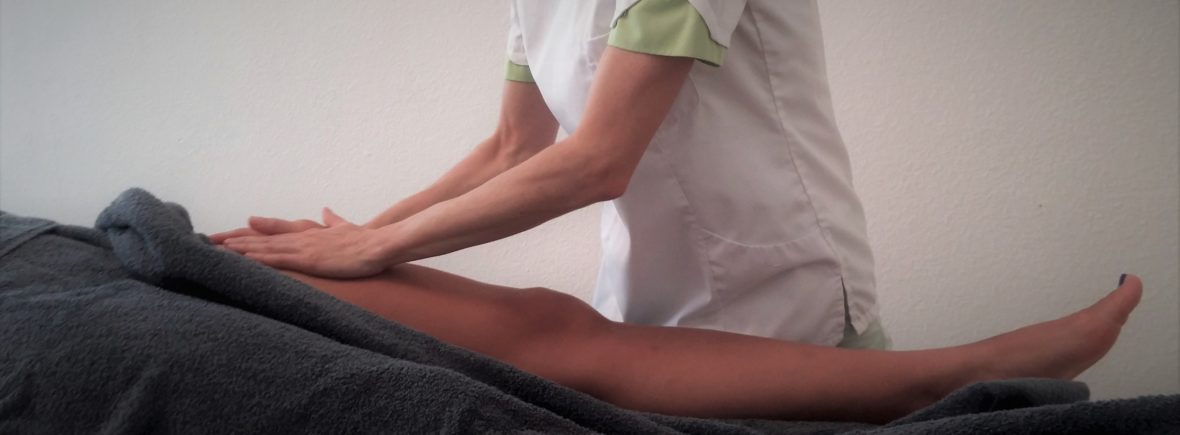
Manual lymphatic drainage (MLD) according to the Vodder method is a gentle, slow and rhythmic manual technique performed without oil. The movements are applied to the skin with adapted pressure to encourage the circulation of lymph. It is also sometimes referred to as manual lymph drainage.
Manual lymphatic drainage can be used for therapeutic purposes or as support in certain situations. It can also provide a feeling of relaxation.
At Gessica Perugini’s practice, manual lymphatic drainage is one of the main areas of specialisation. Clients may seek treatment for heavy or swollen legs, certain types of oedema, support before or after certain surgical procedures, as well as certain situations related to pregnancy.
Manual Lymphatic Drainage After Surgery
Manual lymphatic drainage may be recommended as part of follow-up care after certain surgical procedures, particularly when advised by the medical team.
When treatment can begin depends on the type of procedure, the individual’s condition and the instructions given by the surgeon or doctor. Manual lymphatic drainage does not replace medical follow-up.
For a first session, additional time may be needed to discuss your situation and determine your treatment needs.
When Can Manual Lymphatic Drainage Be Used?
Manual lymphatic drainage may be used as part of care in situations such as:
- heavy or swollen legs;
- certain types of oedema;
- lymphoedema, depending on the situation and medical recommendations;
- lipoedema and related conditions, depending on individual needs;
- care before or after certain surgical procedures;
- “ENT” pathology (wax caps, sinusitis, bronchitis) and ophthalmological diseases;
- bruising and the after-effects of certain injuries;
- certain scars and post-operative conditions;
- support during pregnancy, with appropriate adaptations;
- water retention and a feeling of swelling;
- certain situations requiring work on the lymphatic circulation.
Every situation is different. A consultation helps determine whether manual lymphatic drainage is appropriate and, when necessary, takes into account recommendations from a doctor or other healthcare professional.
A Manual Lymphatic Drainage Session
A manual lymphatic drainage session generally lasts 60 minutes.
During a first session, additional time may be needed to discuss your situation, medical history and treatment needs.
The treatment is performed using gentle, slow and rhythmic movements, without oil.
Compression Bandaging
When necessary, manual lymphatic drainage can be complemented by compression bandaging.
Compression bandages may be used when significant oedema requires additional care. Their use is adapted to each person’s situation.
Gessica Perugini is also specialised in compression bandaging.
Kinesiotape
Kinesiotape may also be used as a complement to manual lymphatic drainage in certain situations.
It consists of an adhesive tape applied to the skin using a specific technique. Depending on how it is applied, it may complement the work carried out during treatment sessions.
The use of Kinesiotape depends on each person’s situation and needs.
Contraindications and Precautions
Manual lymphatic drainage is not suitable for every situation.
Certain acute infections, recent thrombosis, decompensated heart or kidney failure and certain other conditions require treatment to be avoided or a medical opinion to be obtained beforehand.
In some situations, including cancer, pregnancy, high blood pressure or certain health conditions, precautions or medical approval may be necessary.
If you have any concerns about your health or whether manual lymphatic drainage is appropriate for you, it is best to discuss this with your doctor or with Gessica before your appointment.
Do You Have a Question?
If you would like to know whether manual lymphatic drainage may be appropriate for your situation, please feel free to contact me.
You can also visit the Prices & Insurance page for prices and information about ASCA and RME recognition and reimbursement through supplementary insurance.