After surgery, the body needs time to recover. Depending on the type of procedure, it is common to experience swelling, a feeling of tightness or heaviness, bruising or sensitivity around the operated area.
In some situations, manual lymphatic drainage (MLD) may be part of post-operative care. It is a gentle, slow and rhythmic manual technique performed without oil, with movements adapted to the skin to encourage lymphatic circulation.
Gessica Perugini specialises in manual lymphatic drainage according to the Vodder method and has completed specific training in post-operative care and scar treatment.
Why have lymphatic drainage after surgery?
Some surgical procedures can temporarily affect the movement of fluids through the tissues. Swelling can therefore occur in or around the operated area.
When lymphatic drainage is appropriate, gentle manual movements may be used to support lymphatic circulation and help manage certain types of swelling.
Manual lymphatic drainage may be considered as part of post-operative care after certain surgical procedures, depending on each person’s situation.
It is not, however, a treatment that is automatically appropriate after every operation: the type of surgery, the person’s health and the progress of healing all need to be taken into account.
When can lymphatic drainage start after surgery?
There is no single time frame that applies to every operation.
When lymphatic drainage can be performed depends on factors such as the type of procedure, the area concerned, the condition of the scar and how recovery is progressing.
Gessica therefore adapts each treatment to the individual situation. After recent surgery, it is important to follow the recommendations of the surgeon or doctor responsible for your care.
If you are unsure when to start lymphatic drainage, it is best to ask your medical team before booking an appointment.
Lymphatic drainage, swelling and oedema
Swelling after surgery does not necessarily mean that you have lymphoedema. Post-operative recovery varies depending on the procedure and the individual.
In some situations, lymphatic care may be recommended when swelling or lymphatic circulation problems are present.
Manual lymphatic drainage can then be used as part of an appropriate approach. Depending on the situation, it may be combined with other measures such as compression, movement or exercises recommended by healthcare professionals.
What about scars?
Gessica has also completed specific training in scar treatment and post-operative care.
A scar continues to change and develop for several months. Work around a scar is therefore not necessarily the same immediately after surgery as it is later, once the tissues have had more time to recover.
Treatment is adapted to the condition of the scar and to each person’s individual situation.
What types of surgery may be concerned?
Lymphatic drainage may be considered after different types of surgery, but it is not automatically appropriate for every procedure.
Situations in which people may seek lymphatic support after surgery can include:
- certain cosmetic or reconstructive procedures;
- certain orthopaedic procedures;
- procedures where swelling needs to be managed;
- surgery that may affect lymphatic circulation;
- certain situations where swelling develops or persists during recovery.
Every operation is different, so whether lymphatic drainage is appropriate, and when it should begin, needs to be considered on an individual basis.
What is a session like?
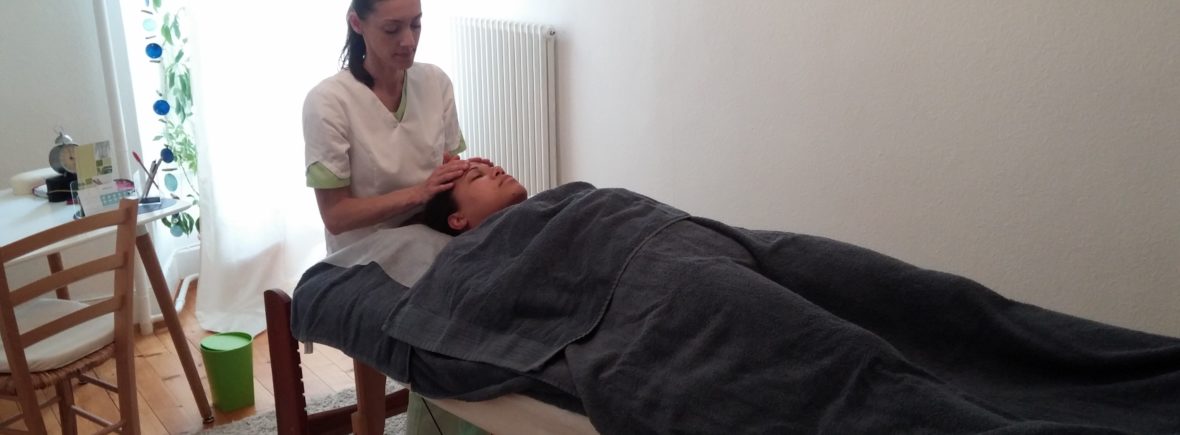
Manual lymphatic drainage according to the Vodder method is a gentle, slow and rhythmic technique.
The movements are performed directly on the skin, without oil, using adapted pressure. A lymphatic drainage session is different from a classic or sports massage: the aim is not to work deeply into the muscles.
After surgery, Gessica adapts the areas treated, the pressure and the session according to the procedure and the person’s condition.
A session generally lasts 60 minutes. The first appointment may require a little more time to understand the situation and the person’s needs.
Care adapted to each person
After surgery, it is natural to have questions: when can treatment begin, how many sessions might be needed, which areas can be treated, or whether a particular amount of swelling is normal.
There is no single answer for everyone.
Gessica takes the time to listen and to consider the person’s operation, recovery and medical recommendations. When a medical opinion is needed, this remains the priority.
Manual lymphatic drainage is a complementary form of care and does not replace follow-up by your surgeon, doctor or other healthcare professionals.
Post-operative lymphatic drainage in Vouvry
Gessica Perugini welcomes clients at the Cabinet de Drainage Lymphatique et Massages in Vouvry, in the centre of Vouvry in the Valais region of Switzerland.
She provides manual lymphatic drainage for people seeking support following certain surgical procedures, alongside their medical care.
For information about prices, supplementary insurance and possible reimbursement, please see the Prices & Insurance page.
If you have questions about your particular situation or when to begin treatment, you are also welcome to contact Gessica directly.